Rubbish removal for Belsize Village shops
Posted on 10/08/2026

Rubbish removal for Belsize Village shops: a practical guide for busy local businesses
Running a shop in Belsize Village means thinking about far more than stock, staff rotas, and customers coming through the door. You also have to keep the frontage clean, the back room usable, and the waste moving out before it starts to crowd the place. That is where rubbish removal for Belsize Village shops becomes less of a chore and more of a quiet business advantage. A tidy shop is easier to trade from, easier to restock, and, frankly, easier to trust.
Whether you are clearing old display units, dealing with packaging after a delivery surge, or emptying a storeroom that has somehow filled up with "temporary" items for six months, the right approach saves time and stress. This guide explains how shop rubbish removal works, what to expect, which options suit different retail settings, and how to avoid the common pitfalls that can turn a simple clearance into a headache.
Let's face it: retail waste has a habit of breeding in corners. One empty pallet becomes three, then a broken shelf, then a box of old fittings nobody wants to claim. The good news? With a clear plan, you can keep things under control without disrupting the trading day.
- Why rubbish removal for Belsize Village shops matters
- How the process works
- Key benefits and practical advantages
- Who needs it and when it makes sense
- Step-by-step guidance
- Expert tips for better results
- Common mistakes to avoid
- Tools, resources and recommendations
- Law, compliance, standards, or best practice
- Options, methods, or comparison table
- Case study or real-world example
- Practical checklist
- Conclusion
- Frequently asked questions
Why Rubbish removal for Belsize Village shops Matters
For a shop, waste is not just an operational nuisance. It affects presentation, safety, customer experience, and even how smoothly deliveries and collections can happen. In a place like Belsize Village, where many businesses work within compact frontages and busy pavements, that matters even more. A cluttered back area can slow staff down. Overflowing bins can create smells. Cardboard stacks can block fire exits. None of that helps trade.
There is also the simple reality of reputation. Customers notice what they can see outside and just beyond the till. If the entrance looks untidy, people may assume the whole operation is rushed or careless. That may sound harsh, but shoppers do judge by small signals. A clean, well-managed storefront tells them the shop is looked after.
And then there is compliance. Businesses need to dispose of rubbish responsibly, not casually. Commercial waste cannot always be treated like household waste, and different materials need different handling. If you are unsure, it is better to pause and sort it properly than to throw everything in one pile and hope for the best.
For many owners and managers, the first real trigger is timing. A refurb is coming up, seasonal stock is arriving, or the stockroom has reached that slightly alarming point where nobody can find the spare signage. At that stage, arranging shop clearance in Belsize Village is often the fastest route back to order.
Expert summary: Good rubbish removal is not just about getting junk out of the building. It protects trading space, helps staff work safely, keeps the shop presentable, and reduces avoidable disruption. In retail, that is money saved in practical terms, even if nobody sees it on a spreadsheet right away.
How Rubbish removal for Belsize Village shops Works
The process is usually straightforward, but it helps to know the moving parts. Most shop clearances follow the same basic pattern: assess what needs removing, agree access and timing, carry out the collection, then sort the material for disposal, recycling, or onward handling. The details change depending on the size of the load and the type of waste.
For small retail waste collections, a team may simply remove bagged rubbish, flatten cardboard, and clear a few bulky items. For larger jobs, such as a full refit or a stockroom cleanout, there may be sorting on site so that reusable, recyclable, and non-recyclable items are separated properly. That can include shop fittings, broken displays, packaging, shelving, office chairs, old cabinets, and general mixed waste.
Access is often the biggest practical factor. Shops in the village can have narrow entrances, shared walkways, loading restrictions, or awkward stair access. So a good clearance plan starts with simple questions: where will the team park, how long will loading take, can items be carried safely without blocking customers, and is there a rear entrance or service access? These things sound small. They are not.
If the clearance includes waste from a refurbishment or alteration, it may overlap with building debris. In that case, it can be worth looking at builders waste clearance in Belsize Park as well, especially when plasterboard, offcuts, packaging, and broken fittings all appear together. Retail premises and construction mess have a way of mingling, rather inconveniently.
You can also compare wider support services if the job is part of a bigger tidy-up. A business that is reworking a back office, for example, may want to review office clearance in Belsize Park alongside shop waste removal. The point is to match the service to the mess rather than forcing the mess to fit the service.
Key Benefits and Practical Advantages
There are some obvious benefits, and then there are the quieter ones that only become obvious once the job is done.
- More usable floor and storage space: Once old stock, broken units, and spare packaging are gone, staff can actually move around.
- Faster day-to-day operations: Clean stockrooms and back-of-house areas make replenishment and deliveries smoother.
- Better customer impression: A tidy shop feels calmer, more organised, and more welcoming.
- Reduced safety risks: Removing clutter lowers trip hazards and helps keep emergency routes clear.
- Less staff frustration: Nobody enjoys working around piles of "we'll deal with it later" items. Nobody.
- More responsible disposal: A proper clearance route can support recycling and better waste segregation.
For businesses with regular deliveries, the space benefit can be especially noticeable. A few square metres reclaimed from waste can make a tiny stockroom feel less like a storage puzzle and more like a working room again. In retail, that is huge. It also helps staff stay focused. People work better when they do not have to step over old cardboard every ten minutes.
Another advantage is speed. Shop waste removal can usually be arranged without the prolonged disruption that comes with doing it all in-house. No need to borrow a van, recruit volunteers, or make three awkward trips after closing time. You can keep trading, or close briefly, and let the clearance happen efficiently.
If you care about sustainability and keeping your waste stream cleaner, it is worth exploring the wider approach described on the site's recycling and sustainability page. Not every item can be recycled, of course, but a thoughtful sort-and-remove process is usually better than a one-bin-fits-all approach.
Who This Is For and When It Makes Sense
This service makes sense for a lot more people than first-time shop owners realise. If you run a local business with stock, packaging, furniture, or fittings to move out, you are probably in the right category already.
- Independent retailers updating interiors or replacing fixtures
- Convenience shops dealing with regular cardboard and packaging waste
- Cafes and delicatessens clearing broken appliances or old furniture
- Salons and beauty shops replacing cabinets, chairs, mirrors, or back-room items
- Newsagents, gift shops, and boutique stores with limited storage space
- Landlords or managing agents preparing a retail unit for a new tenant
- Businesses that have built up waste after seasonal peaks, promotions, or deliveries
It also makes sense during a change of ownership or a fit-out. If a shop is being sold, marketed, or prepared for viewings, tidy premises matter. A clean unit is easier to present and easier to assess. For that reason, some business owners use retail clearance together with marketing and property preparation insights from the site's local content when they are thinking more broadly about presentation. Different sector, yes, but the logic is similar: first impressions shape decisions.
Sometimes the need is urgent. A supplier has left more packaging than expected. A fridge or display item has failed. Or a storage room has quietly reached the point where the door barely opens. That is usually the moment when people stop saying "we should sort this soon" and start looking for a proper collection.
Step-by-Step Guidance
If you want the job to run smoothly, this is the simplest way to think about it.
- Walk the premises and identify the waste. Separate general rubbish, cardboard, bulky items, furniture, display materials, and anything possibly hazardous or specialist.
- Decide what stays and what goes. Sounds obvious, but mixed-up instructions are one of the biggest causes of delays.
- Estimate access constraints. Check where items can be taken out, whether parking or loading is possible, and whether staff or customers will need to be moved aside.
- Choose the right clearance type. A bagged waste collection is very different from a full shop clearance or furniture disposal job.
- Book a suitable time window. For many shops, early morning or after closing is easiest. If there is a quiet period, use it.
- Prepare the site. Clear a path, label items, and keep fragile stock away from the collection route.
- Sort recyclable material where possible. Flatten cardboard, separate metal, and keep reusable items identifiable.
- Confirm completion and final checks. Make sure nothing important was removed by mistake and that the area is left tidy.
A simple verbal walk-through at the start can save a lot of awkwardness later. Point out what must stay, what can go, and what is uncertain. If there is any risk of confusion, mark items with tape or notes. It is not glamorous work, but it does help. A lot.
For businesses that need a broader waste solution, a more general waste removal service in Belsize Park may suit ongoing commercial needs, while rubbish collection in Belsize Park can work well for repeat pickups. The right choice depends on whether you need a one-off clearance or regular support.
Expert Tips for Better Results
Good rubbish removal starts before the team arrives. A little preparation reduces cost, saves time, and prevents odd surprises.
- Bundle similar materials together. Cardboard with cardboard, metal with metal, furniture separate if possible.
- Remove loose liquids and perishables first. Nobody wants a box tipping over and making the floor sticky. It happens more than people admit.
- Photograph bulky items before collection. This helps with planning, especially if access is tight or items are unusually large.
- Think about trading hours. A short clearance window before opening can be much less disruptive than midday work.
- Use the opportunity to reset the layout. Once clutter is gone, ask whether the space can work better for staff flow or stock rotation.
Here is a small but useful habit: keep a "go pile" in one corner of the stockroom. Anything broken, outdated, or no longer needed goes there during the month. By the time you book collection, half the sorting is already done. That tiny system can save a surprising amount of time.
To be fair, no shop stays perfectly tidy forever. Delivery days happen. Promotions create leftover packaging. Seasonal displays eat space. The trick is not perfection; it is rhythm. Build a recurring clear-out habit before the mess becomes your new decor.
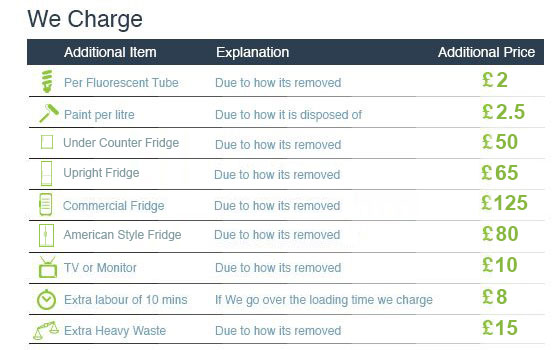
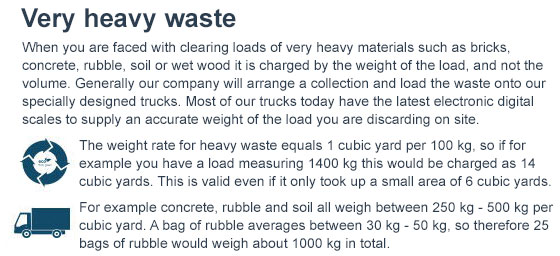
If you are unsure how the job should be priced or scoped, it may help to review the company's pricing and quotes information first. That can make planning much easier, especially when you are comparing one-off and repeat collections.
Common Mistakes to Avoid
There are a few mistakes that show up again and again. The good news is they are all avoidable.
- Leaving waste until it blocks operations: If you wait too long, the job becomes slower and more disruptive.
- Mixing everything together: If waste types are piled together, sorting takes longer and disposal options can narrow.
- Forgetting access details: Narrow stairs, loading restrictions, and shared entrances need planning.
- Assuming all rubbish is the same: Some items need careful handling, especially if they are electrical or bulky.
- Booking without checking the scope: A few bags is not the same as a full shop strip-out.
- Not confirming what will stay: This is how useful items disappear by mistake. Not ideal.
Another common issue is trying to do too much in one go without enough hands. It sounds economical, but a shop full of waste and two tired staff members is usually slower than a properly planned collection. Efficiency is not about brute force. It is about coordination.
Also, be careful with anything that might be classed as special waste or contain components that need separate handling. If you are not sure, ask before loading it into the pile. Guessing is how small jobs become complicated ones.
Tools, Resources and Recommendations
You do not need a warehouse of kit to prepare a shop clearance, but a few practical tools make a difference.
- Marker tape or labels: Useful for tagging keep, remove, recycle, and unsure items.
- Heavy-duty bin bags: Better for compact general waste than flimsy bags that split halfway down the staircase.
- Box cutters and tape: Handy for flattening cardboard and breaking down packaging safely.
- Gloves and sensible footwear: Basic protection goes a long way during sorting.
- Checklist or inventory sheet: Especially useful for stockrooms with mixed shelving and equipment.
- Camera or phone photos: Good for recording what is in place before work starts.
For a deeper look at the wider business behind the service, the about us page can help readers understand the values and approach behind the work. If safety is a concern, especially where lifting, access, or awkward items are involved, the insurance and safety page is a sensible next stop.
It may also be useful to compare shop clearance with nearby or related services. For example, larger mixed jobs sometimes overlap with junk removal in Belsize Park, while older fixtures and furniture may be best handled through furniture disposal in Belsize Park. If your shop has an outdoor display or garden-facing frontage, the site's garden waste removal page may even be relevant for planters, soil bags, or seasonal outdoor material.
Law, Compliance, Standards, or Best Practice
Commercial waste should be handled carefully and with a proper paper trail where needed. In practice, that means knowing what you are disposing of, separating anything that needs special handling, and using a responsible collection route. For retail businesses, the safest general rule is: do not assume household-style disposal rules apply just because the waste looks ordinary.
Best practice also includes keeping walkways clear, maintaining fire escape access, and avoiding temporary clutter that becomes permanent. If items are stored in corridors, near exits, or in shared access areas, that can create unnecessary risk. A tidy shop is not only nicer to look at; it is usually easier to manage safely.
For businesses that handle customer data, product packaging, or branded materials, disposal should also be thought through. Not everything needs shredding-level care, but documents, labels, and branded waste should not be left where they can be casually accessed. That is just sensible.
If you are preparing a unit for handover, lease end, or change of occupier, review the relevant terms carefully and keep records of what was removed. The site's terms and conditions page may be useful for understanding the service framework, while the payment and security page is a practical reference when you want a straightforward and secure booking process.
On sustainability, the sensible norm is to recycle where practical, reuse where possible, and dispose responsibly where necessary. That is not complicated, but it does require a bit of care. The more you separate your waste at source, the easier that becomes.
Options, Methods, or Comparison Table
Not every shop needs the same solution. Some just want a simple load of rubbish taken away. Others need a coordinated clearance with multiple item types. Here is a plain comparison to help you think it through.
| Option | Best for | Pros | Watch-outs |
|---|---|---|---|
| Regular rubbish collection | Ongoing packaging, bagged waste, smaller retail volumes | Simple, consistent, easy to plan | Not ideal for bulky items or major clear-outs |
| One-off shop clearance | Refits, stockroom resets, end-of-season clear-outs | Fast, efficient, tailored to the load | Needs good access and clear instructions |
| Skip hire | Sites with space and prolonged renovation waste | Handy for ongoing loading over a period of time | Requires space, permissions, and may not suit tight village frontages |
| Specialist bulky-item removal | Furniture, shelving, display units, appliances | Good for awkward or heavy items | Needs item-by-item planning |
In a compact location, a fast collection can often be more practical than keeping a skip outside for days. But if you are dealing with a longer refurb, a skip may still make sense. It depends on the site, the volume, and whether the frontage can accommodate it without making everything awkward for pedestrians.
If you are comparing approaches, it can be worth looking at skip hire in Belsize Park alongside direct collection options. There is no single winner. There is only the right fit for the job at hand.
Case Study or Real-World Example
Imagine a small independent shop in Belsize Village preparing for a seasonal refresh. The owner has old display stands in the back, a growing pile of cardboard from deliveries, a broken chair, and a few dusty storage tubs that have been living in the corner for far too long. Customers are still coming in, so the challenge is doing the work without turning the place into a building site.
The solution is simple but disciplined. The owner walks the premises with the team, tags everything that can go, sets aside items to keep, and arranges a morning collection before opening. Cardboard is flattened, shelving is separated from general rubbish, and the back room is cleared in one pass. By lunchtime, the space feels different. Airier. Easier to move through. The staff stop sidestepping boxes and start using the room properly again.
What changed was not just the physical waste removal. It was the clarity. Once the useless items were gone, the shop could work more efficiently. New stock was easier to receive, the till area looked tidier, and the owner could plan the next display without navigating around the old one. Simple job, real impact.
That is the thing about good clearance work. It is not dramatic. It just makes the day run better.
Practical Checklist
Use this before booking or beginning a shop clearance.
- Identify all items for removal
- Separate bulky items from bagged waste
- Check access, parking, and loading space
- Confirm opening hours and best collection time
- Protect stock and fragile items nearby
- Label anything that must stay
- Set aside reusable or recyclable material where practical
- Make sure walkways and exits stay clear
- Ask about disposal method if you are unsure about an item
- Do a final walk-through once the job is complete
A checklist sounds basic, but in a shop environment basics are what keep things smooth. One missed item can create a delay. One unlabeled box can disappear into the wrong pile. Nothing fancy needed. Just a bit of order.
Conclusion
Rubbish removal for Belsize Village shops is really about protecting the way your business works. It keeps the shop presentable, the back room usable, and the day-to-day flow less chaotic. Whether you need a one-off clearance, regular collections, or help with bulky retail waste, the smartest approach is the one that fits your space, your timings, and your trading rhythm.
Start with a clear plan, separate the waste sensibly, and choose the method that causes the least disruption. That alone will solve most problems. And if you treat waste management as part of your shop's routine rather than an emergency fix, you will notice the difference pretty quickly.
Get a free quote today and see how much you can save.
Sometimes a cleaner shop is not just tidier. It feels lighter, calmer, and a little easier to run. That matters more than people think.



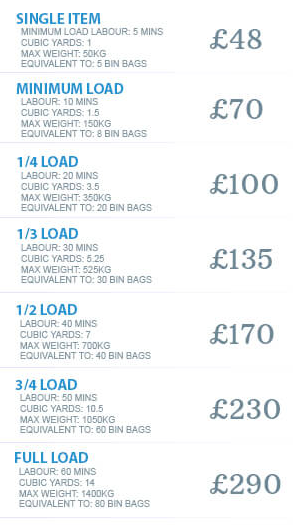
 Tipper Van - Rubbish Removal and Waste Collection Prices in Belsize Park, NW3
 Luton Van - Rubbish Removal and Waste Collection Prices in Belsize Park, NW3