Eton Avenue estate rubbish removal Belsize Park NW3
Posted on 27/08/2026
Eton Avenue estate rubbish removal Belsize Park NW3: a practical local guide
If you live, manage, or let property on Eton Avenue, rubbish removal is rarely just about "getting rid of stuff". It's about keeping entrances clear, meeting house rules, protecting shared spaces, and avoiding the sort of awkward mess that seems to appear the minute a flat is being moved out, renovated, or re-let. Eton Avenue estate rubbish removal Belsize Park NW3 needs a slightly more thoughtful approach than a standard one-off collection, because estates often involve access constraints, neighbours, timings, and items that are too bulky for ordinary bin services.
This guide walks through how estate clearance works in plain English, what to expect, where the common problems sit, and how to choose the cleanest, safest route. You'll also find a comparison table, a checklist, and a realistic example from a local-style clearance scenario. No fluff. Just the sort of detail that helps you make the right call first time.
Why Eton Avenue estate rubbish removal Belsize Park NW3 matters
Estate rubbish removal matters because shared living spaces magnify every small problem. One abandoned mattress in a communal area looks harmless for a day or two, then suddenly becomes an obstacle, a fire-safety concern, and a complaint waiting to happen. That is the reality in many NW3 residential blocks: tidy homes can still have cluttered bins, overfilled stores, and awkward bulk waste that no one quite wants to claim.
Eton Avenue has its own rhythm. There are period buildings, apartments, managed blocks, and a constant mix of owners, tenants, landlords, and agents. In a place like that, removal work is not just operational; it is social. You want a process that respects neighbours, keeps corridors and lifts usable, and doesn't leave a trail of dust, dragging marks, or that faint stale smell that lingers after old furniture is moved out. To be fair, most people only notice good clearance when it goes smoothly.
There is also a practical side. Estate clearance can support:
- end-of-tenancy turnovers
- void property preparation
- refurbishment and decorating work
- house moves and downsizing
- garden and communal area tidying
- clearance after a long-term accumulation of stored items
If you are a landlord or managing agent, a clean and prompt clearance can help protect the building's presentation. If you are a resident, it gives you back space and a bit of breathing room. And if you are dealing with a probate or sensitive household change, a careful team can make a difficult task feel a lot less blunt.
Key takeaway: on an estate, rubbish removal is not simply collection; it is coordination. The smoother the process, the less disruption for everyone else in the building.
How Eton Avenue estate rubbish removal Belsize Park NW3 works
In most cases, estate rubbish removal follows a simple chain: assess, quote, access, clear, sort, and dispose responsibly. The details change depending on whether you are removing a few bulky items or stripping an entire flat, but the logic stays the same.
Usually, the process starts with a brief description or photos. That helps determine what needs to go, how much labour is likely required, and whether special handling is needed for items like fridges, mattresses, old paint, or electrical waste. If access is tight, that should be mentioned early. Estate work often depends on stair widths, lift availability, loading points, parking access, and whether the building has timed restrictions.
A professional team will normally aim to:
- confirm what items are included
- plan the vehicle size and number of staff
- arrive at an agreed time window
- protect the route out of the property where needed
- remove the waste safely and efficiently
- separate reusable and recyclable materials where possible
- leave the area swept and tidy
That last point is a small thing, but it matters. A proper clearance should not end with a pile of dust in the corner and someone saying, "That'll do." It should feel finished.
For larger estate jobs, you may want to look at house clearance in Belsize Park if the task involves a full residential clear-out, or rubbish clearance in Belsize Park for mixed general waste and bulky items. If the property has accumulated old storage and awkward loft items, loft clearance can be the cleaner route.
Key benefits and practical advantages
The obvious benefit is getting rid of unwanted material. The better benefit is everything that happens after that: better use of space, fewer safety issues, easier cleaning, and a calmer property handover.
Here are the practical advantages people usually notice first:
- Speed: estate clearances can be completed much faster than doing everything yourself in stages.
- Less stress: you are not arranging multiple trips, hiring a van, or working out disposal points.
- Better presentation: clean communal areas and vacated flats look and feel more cared for.
- Reduced friction: neighbours and building managers are less likely to complain when the work is planned properly.
- Safer handling: heavy items, broken furniture, and awkward waste are removed with less risk of damage.
- More responsible disposal: recyclable and reusable items can be separated more effectively.
There is also a less visible gain: clarity. Once the clutter is gone, you can see what the property actually needs. Maybe it needs decorating. Maybe the hallway needs a deep clean. Maybe the tenant's leftover bits are only part of a bigger maintenance issue. Clearance often reveals the real job, which is useful, if slightly annoying in the moment.
If your aim is a full refresh, it can make sense to combine estate rubbish removal with furniture disposal, or with junk removal services when the load is mixed and not neatly classed. For outdoor or overgrown spaces, garden waste removal can help restore communal courtyards and small shared gardens without fuss.
Who this is for and when it makes sense
Estate rubbish removal on Eton Avenue is useful for a wider range of people than you might think. It is not only for major refurbishments or dramatic clear-outs. Often, it is the quieter, more ordinary situations that need it most.
- Landlords preparing a flat between tenancies
- Managing agents clearing communal overspill, abandoned items, or storage clutter
- Homeowners decluttering before sale or renovation
- Tenants moving out and needing help with bulky leftovers
- Families handling probate, downsizing, or long-term storage clear-outs
- Businesses using residential-style premises or mixed-use buildings with waste to remove
It makes sense when the waste is too bulky for ordinary bins, too much for a single car load, or too awkward to handle without help. It also makes sense when timing matters. If you are lining up decorating, letting, or a sale, the "I'll deal with it next weekend" approach tends to slip. Easily. Very easily.
For property owners, there is a useful crossover here with local market preparation. A clean, uncluttered flat is simply easier to present. If that is relevant to you, the articles on property buying tips in Belsize Park and acquiring and marketing homes in Belsize Park may help you think through the handover and presentation side as well.
Step-by-step guidance
Here is a practical way to approach estate rubbish removal without making it more complicated than it needs to be.
- Walk the space first. Check every room, cupboard, loft area, storage cage, and communal corner. People always forget one spot. Usually the one with the awkward bag of bits behind the door.
- Separate the obvious categories. Keep furniture, general waste, recycling, electrical items, and anything potentially hazardous in separate piles if you can.
- Photograph what needs clearing. This helps with quoting and reduces misunderstandings later.
- Check access details. Is there a lift? Is parking restricted? Will there be narrow stairs, entry codes, or concierge requirements?
- Confirm timing. Estate clearances work best when scheduled around neighbours, cleaners, contractors, and building rules.
- Flag fragile or special items. Mirrors, glass, white goods, paint, and sharp or heavy items need more care.
- Ask about sorting and disposal. Responsible providers should be able to explain how items are handled, including recycling where possible.
- Prepare the route out. Move personal items, keep corridors clear, and make it easy for the team to work efficiently.
- Do a final check. Before the vehicle leaves, confirm that everything agreed has been removed.
That last check saves headaches. It is much easier to spot a missed item when the crew is still there than after everyone has gone home and you are staring at a half-empty utility room in the evening light thinking, "Well, that's annoying."
If you are comparing broader clearance support, it may also be worth reviewing the services overview to see how different removal needs fit together, especially if your estate job overlaps with office, garage, or building waste.
Expert tips for better results
There are a few small decisions that make a big difference on estate jobs. These are the kinds of things that experienced teams think about almost automatically, but they are worth spelling out.
- Group items by route, not just by room. If the team has to carry waste down three flights of stairs, that should influence what gets moved first.
- Be honest about volume. A "few items" can become a full van very quickly. Better to overdescribe than underdescribe.
- Protect communal areas. A little care around doors, skirting, and lifts saves a lot of trouble. Building managers remember that sort of thing.
- Use photo evidence. It helps with both planning and accountability. Also, it cuts down on the classic "I thought you meant the other sofa" moment.
- Keep one person in charge. Too many voices slow everything down. One point of contact is calmer for everyone.
- Ask about reuse and recycling. Not every item has to become waste. Some can be diverted, donated, or broken down responsibly.
Here is a small local-style example. A resident on a managed block might only think they need one mattress removed, but once the hallway is checked they find old book boxes, a broken desk, and a stack of flat-pack packaging in the storage cupboard. If that is discovered at the start, the whole job runs neatly. If it is discovered at the end, it turns into a second visit. Nobody wants that, especially not on a wet Thursday afternoon.
For ongoing sustainability thinking, the page on recycling and sustainability is a sensible companion read if you want to reduce avoidable disposal and keep the process cleaner from the outset.

Common mistakes to avoid
Most clearance headaches come from a short list of avoidable errors. Some are minor. Some are the sort that cost time, money, and goodwill.
- Leaving the assessment too late. If access is hard or the load is bigger than expected, late planning almost always causes friction.
- Mixing hazardous items with general rubbish. Paint, chemicals, sharp objects, and certain electrical items may need special handling.
- Forgetting about parking and loading restrictions. In London, access details are not trivia. They are the job.
- Assuming every item can go in the same way. A mattress, a broken desk, and a fridge are not all treated the same.
- Not checking what is left behind. A swift walkthrough at the end avoids arguments later.
- Choosing price alone. The cheapest option can become expensive if the job is incomplete, poorly timed, or careless with the building.
One more, and this one catches people out: do not let clearance drift into general storage sorting on the day unless that was planned. If you start debating whether the old lamp shade is "maybe useful", the clock begins to eat the afternoon. Decisions like that are best made before the team arrives.
Tools, resources and recommendations
You do not need much in the way of special tools to organise estate rubbish removal, but a few simple things help a lot.
- Checklist or inventory: useful for room-by-room tracking
- Phone camera: ideal for photos before and after
- Labels or masking tape: helpful for marking keep, clear, recycle, or fragile items
- Basic gloves: useful if you are sorting through dusty storage or mixed items
- Measuring tape: handy if there are bulky furniture items or tight corners
- Notepad for access details: codes, contacts, and timing notes belong in one place
For service selection, a good place to start is the company's main rubbish collection option if your job is more routine, or waste removal if the load is mixed and regular. For larger commercial or shared-property clearances, office clearance can be relevant where the estate includes workspaces, studios, or resident-managed offices.
If you are not sure which route fits, ask the provider to explain the difference in plain English. You should not need to decode jargon just to get a cupboard cleared. Honestly, that part should be simple.
Law, compliance, standards, or best practice
Estate rubbish removal in the UK should be handled with care, especially when the load includes mixed waste, electrical goods, or anything that may be hazardous. You do not need to become a compliance expert, but you should expect the basics to be taken seriously.
Best practice usually includes:
- avoiding fly-tipping or unofficial dumping
- separating reusable and recyclable materials where practical
- handling sharp, heavy, or awkward items safely
- respecting building access rules and neighbour access
- using responsible disposal routes for restricted waste types
If you are arranging clearance for a managed estate or shared block, it is also wise to check building-specific requirements in advance. That can include lift protection, time windows, concierge coordination, or quiet hours. These are not dramatic legal points, but they are the sort of practical standards that stop a simple clearance becoming a minor building drama.
If safety is a concern, the page on insurance and safety is worth reviewing. It is always better when everyone knows how risk is being handled before the first heavy item gets lifted. On a similar note, if payment handling matters to you, the information on payment and security can offer extra reassurance when you are deciding who to use.
Options, methods, or comparison table
There are a few common ways people handle estate rubbish removal. The right one depends on volume, access, urgency, and how much lifting you want to do yourself.
| Method | Best for | Pros | Trade-offs |
|---|---|---|---|
| Professional clearance team | Mixed loads, bulky items, tight access, quicker turnaround | Fast, coordinated, less heavy lifting, often includes sorting | Usually costs more than doing it yourself |
| Skip hire | Longer renovation jobs or large volumes of inert waste | Good for ongoing projects, simple drop-and-fill approach | Space, permits, and lifting effort can be an issue |
| Self-loading to a facility | Small volumes and people with time, transport, and stamina | Can feel cheaper at first | Time-consuming, labour-heavy, and awkward for bulky items |
| Targeted item disposal | Single items like sofas, beds, or appliances | Simple for small jobs | Less efficient if the real job is bigger than expected |
For estate situations, the professional route is often the cleanest choice because the real value is not just the removal. It is the coordination. If your job includes structural renovation waste, the page for builders waste clearance may be the better match. If it is mainly one big item, you may only need furniture disposal.
Case study or real-world example
Here is a realistic estate-style scenario. A two-bedroom flat on Eton Avenue has been empty for a while after a tenancy change. The owner thinks the job is "just a few leftovers", but on closer inspection there are broken shelving panels, a mattress, a worn armchair, several bags of mixed clutter, and some old kitchen bits in a storage cupboard. The building has a narrow lift and a tight loading area. Not impossible, just fiddly.
The sensible approach is to book a clearance slot that allows enough time for access and loading, separate the obviously recyclable pieces, and make sure anything fragile is flagged before the team arrives. On the day, the route from flat to exit is kept clear, the lift is protected where necessary, and the property is swept at the end. The owner is left with a blank, usable space instead of a half-finished mess.
What changed the experience most was not brute force. It was planning. A little coordination up front saved a second visit, a neighbour complaint, and a lot of "where should this go?" moments. That is often the real story with estate rubbish removal: the job looks physical, but success is mostly logistical.
If you want to read more about nearby local context, the article on rubbish removal on Haverstock Hill in NW3 offers a useful sense of how access and local timing can affect clearance work in the area.
Practical checklist
Use this before you book or before the team arrives. It keeps things tidy and, frankly, saves a headache or two.
- Confirm exactly what needs removing
- Take photos of all major items and access points
- Check stairs, lift access, parking, and loading restrictions
- Separate keep, clear, recycle, and special items
- Identify anything fragile, sharp, heavy, or hazardous
- Tell neighbours, concierge, or building management if needed
- Agree the time window and any access codes in advance
- Clear pathways and protect surfaces where appropriate
- Ask how recyclables and reusable items will be handled
- Do a final walkthrough before the crew leaves
Quick practical reminder: if you are combining estate clearance with a property sale or move, it often helps to tidy first, clear second, and deep clean last. That order just works better.
Conclusion
Eton Avenue estate rubbish removal Belsize Park NW3 is really about making shared and private spaces workable again. Done well, it reduces stress, improves presentation, and keeps the whole building moving in the right direction. Done badly, it creates friction, delays, and that unpleasant sense that the clutter has somehow won. You know the feeling.
The smartest approach is to plan access, be honest about volume, choose the right clearance method, and think about safety and responsible disposal from the start. That way, the whole thing becomes less of a project and more of a clean reset. Which, if you are standing in a hallway full of unwanted furniture, feels pretty good.
Get a free quote today and see how much you can save.
And if you want to understand the company a little better before you go ahead, you can also visit the about us page or explore the broader service overview. Sometimes a quick look is all it takes to feel confident enough to move forward.



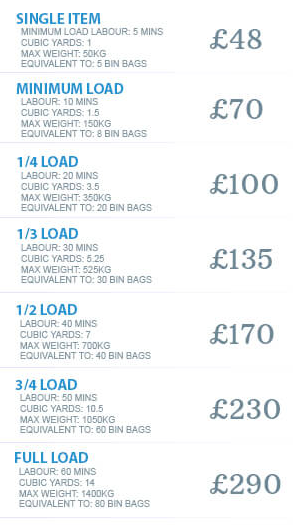
 Tipper Van - Rubbish Removal and Waste Collection Prices in Belsize Park, NW3
 Luton Van - Rubbish Removal and Waste Collection Prices in Belsize Park, NW3