Belsize Park Station rubbish clearance tips
Posted on 18/07/2026
Belsize Park Station rubbish clearance tips: a practical local guide for faster, safer waste removal
If you are trying to clear rubbish near the station, you already know it is not as simple as dragging a few bags to the kerb and hoping for the best. Belsize Park Station rubbish clearance tips are really about making the job smoother in a busy part of NW3: less mess, less stress, fewer trips, and fewer awkward surprises on the day. Whether you are emptying a flat, clearing builders' debris, shifting old furniture, or just getting on top of a growing pile of junk, a little planning goes a long way.
In this guide, we will look at how local rubbish clearance works, what tends to catch people out, how to choose the right method, and how to stay safe and tidy around station-side streets and tight access points. We will also cover practical checklists, common mistakes, and the sort of detail that usually gets missed until you are standing there with a mattress in your hallway thinking, well, this is awkward.
Contents
- Why Belsize Park Station rubbish clearance tips matters
- How Belsize Park Station rubbish clearance tips works
- Key benefits and practical advantages
- Who this is for and when it makes sense
- Step-by-step guidance
- Expert tips for better results
- Common mistakes to avoid
- Tools, resources and recommendations
- Law, compliance, standards, or best practice
- Options, methods, and comparison table
- Case study or real-world example
- Practical checklist
- Conclusion
- Frequently asked questions
Why Belsize Park Station rubbish clearance tips matters
Clearance around Belsize Park Station brings together a few realities that make rubbish removal more demanding than a simple household tidy-up. First, access can be tight. Second, there is often a mix of property types nearby: flats, basement homes, converted buildings, and busy commercial spaces. Third, people usually need the work done quickly because a sale, move, renovation, or end-of-tenancy deadline is breathing down their neck.
That is why local rubbish clearance tips matter. They help you avoid wasting time on the wrong method, reduce the risk of damage to shared hallways or stairs, and make it easier to stay organised when you are juggling bags, bulky items, and a timetable that may already feel too full.
There is also a practical side to all of this. If you are in the middle of a flat clear-out, you may need a service that can deal with mixed waste, furniture, old appliances, and the odd surprise from a loft or cupboard that has not been opened in years. In those moments, a properly planned approach saves you from the classic "why did we leave this until Sunday evening?" feeling. We have all seen that one.
Local knowledge matters too. If you are comparing different ways to clear rubbish, it helps to understand the wider service landscape. A good starting point is the site's services overview, which gives you a feel for the types of clearance work commonly needed in the area.
How Belsize Park Station rubbish clearance tips works
The basic process is straightforward, but the details make the difference. Most clearances follow the same rough pattern: sort the waste, separate anything reusable or recyclable, decide how it will be moved, then arrange the removal so it fits your space and schedule.
Near the station, the important part is usually access. Can a vehicle stop safely? Is there room to move items without blocking neighbours or spilling rubbish into a narrow pavement? Are there stairs, lifts, or basement steps to think about? These questions matter because they influence whether a small van collection, a full clearance team, or a skip-style solution is the least painful choice.
In practical terms, rubbish clearance may involve:
- bagging loose waste so it is easy to carry
- breaking down bulky items where safe to do so
- separating wood, metal, cardboard, and general waste
- identifying items that need special handling
- planning how the items will reach the vehicle without clogging shared spaces
If you are dealing with a bigger job, such as an end-of-tenancy clear or a property refresh, it can help to compare rubbish clearance with related services like house clearance in Belsize Park or office clearance options. They sound similar, but the logistics can be quite different.
One small but important point: a lot of clearance jobs go more smoothly when the client prepares the site first. That might mean moving cars, unlocking gates, warning neighbours, or clearing a route through a hallway. It sounds obvious. Then again, the obvious stuff is often what gets skipped.
Key benefits and practical advantages
When rubbish clearance is handled well, the benefits are immediate and visible. The space feels bigger. The route is safer. The job finishes faster. And, perhaps most satisfying of all, you stop noticing the pile every time you walk past it.
Here are the main advantages of applying local rubbish clearance tips properly:
- Less disruption: Good planning reduces noise, blocking, and repeated trips up and down stairs.
- Safer handling: You are less likely to strain yourself or damage walls, doors, and flooring.
- Better sorting: Reusable and recyclable materials are easier to separate when the job is organised.
- Faster completion: Clear access and sensible staging cut down the time spent on site.
- Cleaner finish: The area is easier to sweep, check, and hand back to normal use.
There is another benefit people often overlook: decision-making becomes easier. Once you know the size and type of waste you have, you can choose between collection, full rubbish clearance, specialist disposal, or a skip-based approach with much more confidence.
If sustainability is part of your thinking, it is worth reading the company's page on recycling and sustainability. It is a useful reminder that good clearance is not just about getting rid of stuff; it is also about handling it responsibly where possible.
Who this is for and when it makes sense
Not every rubbish job needs the same solution. Some people only have a few bags and an old chair. Others are looking at a whole flat, a garage, a loft, or a post-renovation mess that has quietly multiplied in the corner. The right clearance tip depends on where you are starting from.
This guide is especially useful if you are:
- moving in or moving out near Belsize Park Station
- clearing a rental property between tenancies
- getting a home ready for sale or refurbishment
- dealing with old furniture, broken appliances, or mixed junk
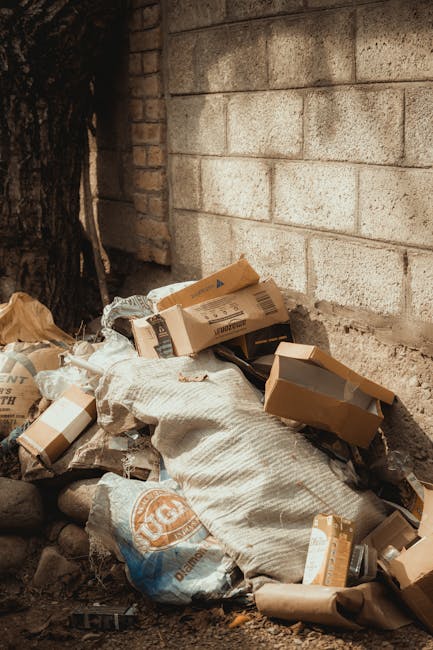
- managing builders' waste after a small project
- trying to reclaim space in a loft, garage, or storage room
It also makes sense if you are a landlord, letting agent, business owner, or facilities manager needing a reliable, tidy way to remove waste without causing unnecessary disruption.
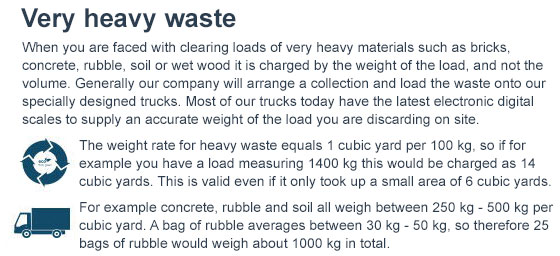
For one-off heavy clearances, you may want to look at the specialist builders' waste clearance service, because rubble, plasterboard, timber offcuts, and packaging can be much harder to manage than domestic rubbish. Different waste, different headaches.
And if you are not quite sure whether you need collection, full clearance, or something in between, the practical route is to review the rubbish clearance service and then judge how much is left after sorting. That sounds simple, but it saves a lot of second-guessing.
Step-by-step guidance
Here is a sensible way to approach rubbish clearance near Belsize Park Station without turning the day into a scramble.
-
Walk the space first.
Look at where the rubbish is, how it will leave the property, and what might get in the way. Narrow hallways, stairwells, shared entrances, and front garden gates can change the whole plan.
-
Sort the waste into clear groups.
Create rough piles for general rubbish, cardboard, recyclables, furniture, metal, garden waste, and anything hazardous or special. Even a basic sort makes the rest easier. Honestly, a few minutes here can save a lot of faffing later.
-
Separate bulky items from loose waste.
A mattress, wardrobe, sofa, or desk should not be treated like a few bin bags. Bulky items need a plan for lifting, loading, and safe movement. If you are dealing with furniture, the dedicated furniture disposal page may be the best fit.
-
Check whether any item needs special handling.
Some waste should not just be mixed in with everything else. Paint tins, batteries, and certain electrical items need extra care. If in doubt, set them aside rather than forcing them into the general pile.
-
Decide on the best removal method.
If the waste is compact and you can load it quickly, a collection can be efficient. If the volume is larger or the job is spread across a property, a full clearance may be better. If you want to compare options, you might also review skip hire in Belsize Park versus a direct collection.
-
Prepare access before the team arrives.
Move cars if needed, clear a route, and let neighbours know if there will be short-term disruption. That tiny bit of preparation can make the actual clearance feel almost calm. Almost.
-
Do a final sweep-through.
Before everything leaves, check cupboards, under sinks, loft corners, and behind doors. A quick final sweep often catches the odd item that everyone forgot about.
If you are planning a bigger clear-out involving an attic or storage space, the advice is slightly different again. The loft clearance service and garage clearance service can be very helpful because these spaces tend to hide more than you remember. Old suitcases. Broken lamps. Boxes that have not been touched since the last decade. You know the sort.
Expert tips for better results
These are the little habits that make clearance work noticeably easier. None of them are dramatic, but they matter.
- Photograph the waste before booking. It helps you judge volume and avoids awkward surprises on the day.
- Keep walkways clear. Even a decent-sized bag can become a hazard if it sits in a narrow passage.
- Stack items sensibly. Put lighter items on top of heavier ones only if the stack remains stable. No wobbling towers, please.
- Use sturdy bags and boxes. Weak packaging slows everything down and increases the risk of spills.
- Label mixed items if needed. If some bits are for recycling and some are not, a quick label helps everyone on site.
- Think about timing. Early starts can be better in busy areas because streets are often calmer. Late-day clearances can feel rushed.
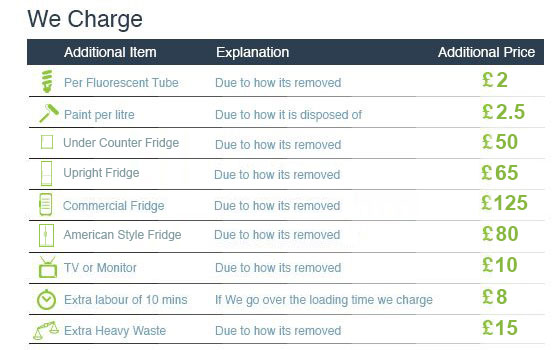
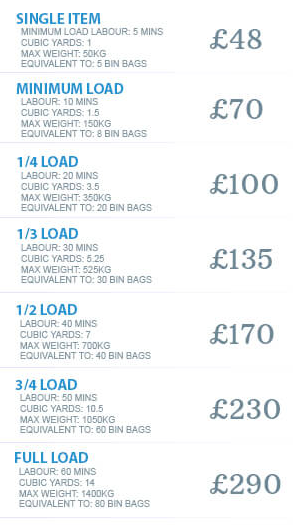
A good local team should also be transparent about how they work, what they can take, and how they price the job. That is one reason people often check pricing and quotes before making a decision. Clarity up front tends to save arguments later.
Another useful habit: keep a "not going" pile. It sounds trivial, but if you are clearing a property for sale, a party, or a move, some items need to stay. A single box marked clearly can stop a valuable photo album or charger from vanishing into the wrong load. That happens more than you might think.
Common mistakes to avoid
Most clearance problems are not caused by bad luck. They are caused by rushing. Or guessing. Or assuming the job is smaller than it is.
Here are the mistakes we see most often:
- Underestimating volume: A few visible bags can hide a lot more once cupboards, lofts, and under-bed storage are opened.
- Ignoring access constraints: What looks easy in a big living room can become difficult when the items need to pass through a narrow stairwell.
- Mixing everything together: Sorting is annoying, yes, but mixed waste often slows the process and can affect what can be reused or recycled.
- Leaving it too late: Last-minute clearance creates unnecessary stress, especially if you have a move-out deadline or a builder waiting to start.
- Forgetting heavier items: Old furniture and broken appliances need more planning than bags of general waste.
- Not checking the service fit: A simple collection may be perfect for one job and completely wrong for another.
There is also a sneaky mistake people make around stations and busy roads: assuming there will be somewhere to park or stop without checking first. In reality, that can change how long the job takes and whether the crew can work safely. A few minutes of planning beats a half-hour of awkward repositioning every time.
Tools, resources and recommendations
You do not need a huge toolkit to manage rubbish clearance properly. But a few simple items make the job far easier.
- Heavy-duty sacks: Better for mixed rubbish and awkward small items.
- Marker pen and labels: Helpful when sorting recyclable, keep, and dispose piles.
- Gloves: Useful for rough materials, dusty loft contents, and sharp packaging.
- Trolley or sack truck: A real back-saver for heavier boxes and bins.
- Blankets or covers: Useful when moving furniture through tight hallways.
- Flat boxes and tape: Good for cardboard and light break-down work.
For many people, the most useful "resource" is simply choosing the right service the first time. If your job is mostly mixed junk, junk removal may suit you. If it is larger household waste, waste removal may be the better fit. If you need recurring or smaller load disposal, a rubbish collection service can be worth considering.
For people who want to understand the company behind the service, the about us page gives useful background. And if you are comparing payments or want peace of mind before booking, the pages on payment and security and insurance and safety are worth a look.
Law, compliance, standards, or best practice
Rubbish clearance in the UK should always be approached carefully, especially when waste is being moved off your property by someone else. You do not need to become a compliance expert, but you should know the basics.
First, check that waste is being handled by a lawful and responsible operator. In practice, that means asking sensible questions about how material is taken away, what happens next, and whether the job is being managed in line with normal UK waste-handling expectations. If something feels vague, that is worth paying attention to.
Second, keep hazardous or awkward items separate until you know how they will be handled. Items such as chemicals, paint, batteries, and certain electrical equipment may need extra care. Do not just chuck them into the nearest bag and hope for the best. That is the sort of shortcut that creates bigger problems later.
Third, be careful with shared spaces. Around flats and converted buildings, best practice is to avoid blocking exits, damaging communal areas, or leaving loose waste where it could fall or be carried by wind. A clean route is not just polite; it is part of safe working.
Fourth, if the clearance is part of a move or renovation, consider how it fits into the rest of the schedule. Builders, movers, landlords, and agents all work better when the waste side is handled early rather than at the last second. The difference is usually obvious by the end of the day.
If your rubbish situation is linked to a larger property project, you may also find these local reading pieces useful: property buying tips in Belsize Park and advice on acquiring and marketing homes in Belsize Park. They are not waste guides as such, but they do help explain the broader property context that often sits behind a clearance job.
Options, methods, and comparison table
Choosing the right disposal method is half the battle. Here is a simple comparison to help you think it through.
| Method | Best for | Strengths | Watch-outs |
|---|---|---|---|
| Rubbish collection | Smaller loads, bagged waste, quick clear-outs | Fast, simple, minimal disruption | Less suitable for bulky or very mixed waste |
| Full rubbish clearance | Mixed waste, larger loads, busy households or flats | Flexible, efficient, handles more items at once | Needs more planning around access and sorting |
| Skip hire | Projects with ongoing waste creation | Useful for phased clear-outs and renovations | Needs space, loading discipline, and local planning |
| Specialist clearance | Bulky furniture, lofts, garages, builders' waste | Better fit for awkward or heavy items | Can require more detailed preparation |
There is no single "best" method for everyone. A one-bedroom flat with three bags and an old table is a different job from a refurbishment with plaster, timber, and packaging everywhere. The smart move is to match the method to the actual waste, not the hope of an easier day.
If you want a more focused option, the pages for garden waste removal and garage clearance can be especially relevant for outdoor or storage-heavy jobs. They solve different problems, and the difference matters.
Case study or real-world example
Here is a realistic local scenario. A couple living a short walk from Belsize Park Station were getting ready to hand back their flat at the end of a tenancy. Over the years, the place had accumulated a mix of old furniture, kitchen bits, cardboard, a broken fan, and a few boxes of forgotten belongings in the back bedroom. Nothing dramatic. Just enough to make the flat feel crowded and the final week feel longer than it should.
They started with a rough sort: keep, donate, recycle, remove. That was the turning point. Once the waste was separated into manageable piles, they realised the job was not as overwhelming as it had first looked. The bulky items were moved first, which freed up the hall and made the rest quicker. They also checked access in advance, which meant there were no awkward arguments with neighbours about blocked stairways. A small thing, but hugely helpful.
By the end, the clearance was tidy, the flat looked bigger, and the final inspection was much less stressful. Truth be told, the biggest win was probably emotional: they stopped looking at the clutter as a looming problem and started treating it as a sequence of small tasks. That shift changes everything.
For people managing a more property-focused timeline, nearby reading such as living in Belsize Park and local area insights can give useful context about day-to-day life in the neighbourhood. Sometimes understanding the area helps you plan the job better. A bit odd, maybe, but true.
Practical checklist
Use this quick checklist before you book or begin a clearance near Belsize Park Station.
- Identify exactly what needs removing.
- Separate furniture, loose rubbish, recyclables, and special items.
- Measure any bulky items if access looks tight.
- Check stairs, lifts, hallways, and doorway widths.
- Decide whether you need collection, clearance, skip hire, or a specialist service.
- Clear a route from the waste to the exit.
- Move vehicles if they may block loading access.
- Warn neighbours if the job may briefly affect shared areas.
- Keep valuable or important items separate and clearly marked.
- Ask about pricing, payment, and service terms before confirming.
- Check that the team understands any safety or access issues on site.
- Do a final sweep for missed items before the job finishes.
Key takeaway: the best rubbish clearance near the station is rarely the fastest-looking option at first glance. It is the one that matches the waste type, the access, and your deadline without creating extra work later.
Get a free quote today and see how much you can save.
Conclusion
Good Belsize Park Station rubbish clearance tips come down to preparation, realism, and choosing the right method for the space you actually have. If you sort the waste properly, think through access, and match the job to the right service, the whole process becomes cleaner and much more manageable. Not perfect, perhaps, but definitely easier.
Whether you are clearing a flat, handling furniture, tidying a loft, or dealing with builders' waste after a project, the same principle applies: a few smart decisions at the start save time, money, and a lot of unnecessary frustration. And on a busy London day, that counts for a lot.
When in doubt, go for clarity over guesswork. It is a calmer way to work, and usually the better one too. A tidy space has a way of lifting the mood, even before you have finished the last sweep.


 Tipper Van - Rubbish Removal and Waste Collection Prices in Belsize Park, NW3
 Luton Van - Rubbish Removal and Waste Collection Prices in Belsize Park, NW3